Sustainable Architecture and Building in Mallorca
Sustainable Architecture and Construction in Mallorca: The Comprehensive 2026 Guide
The Island’s Ecological Shift Mallorca is experiencing a real estate revolution. In 2026, the primary driver for property acquisition is no longer just "location, location, location," but "efficiency, ecology, and longevity." As the Mediterranean climate presents new challenges, the demand for homes that remain cool naturally and utilize scarce resources wisely has skyrocketed. Sustainable living has transitioned from a niche lifestyle choice to the gold standard of the luxury market.
Leading Architects: Masters of Sustainable Design
OHLAB: Renowned for their work on Can Santacilia, they demonstrate how historic heritage can be preserved while achieving modern energy standards. Their focus on the "circular economy" involves using reclaimed materials alongside cutting-edge passive technology.
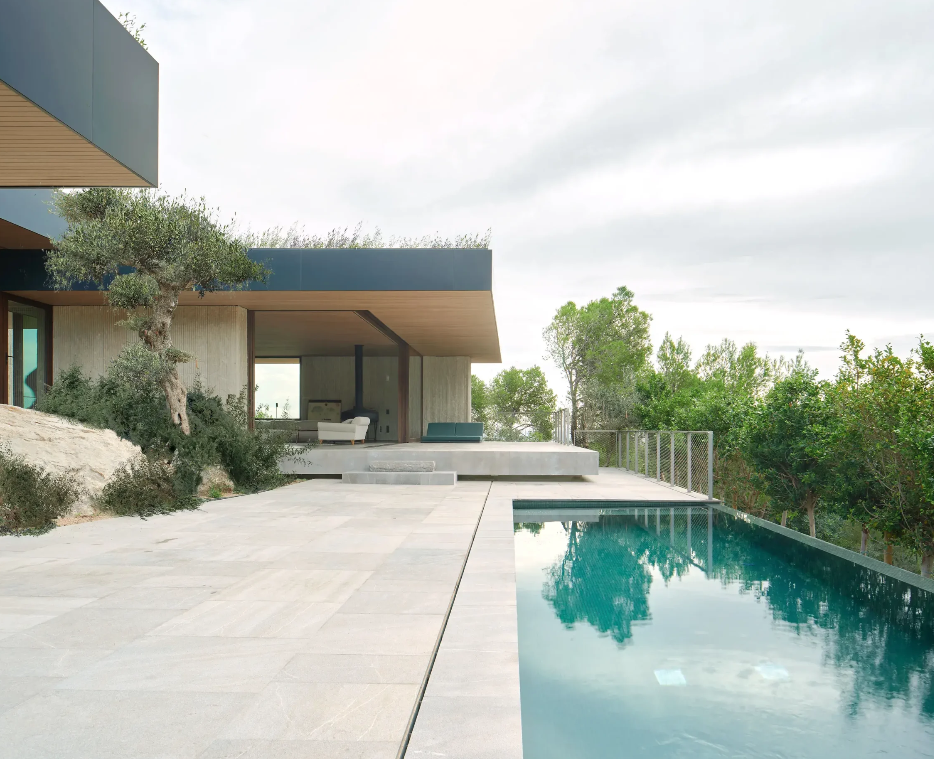
Matteo Thun: His "Botanical Architecture" integrates buildings into the landscape. By prioritizing regional resources, Thun reduces the "embodied carbon" of a project.
Luis Laplace: Laplace specializes in the sensitive restoration of traditional fincas. He proves that thick stone walls and traditional layouts can outperform modern glass boxes when enhanced with smart insulation and high-efficiency heat pumps.
Green Technology & Innovation Modern Mediterranean villas now feature:
Advanced Photovoltaics: Integrated solar tiles (BIPV) that replace traditional clay tiles, maintaining the aesthetic of the Serra de Tramuntana while generating 100% of the household's electricity.
Thermal Mass Management: Using the inherent cooling properties of local stone to eliminate the need for traditional, energy-hungry HVAC systems.
AI-Driven Water Management: Smart sensors that monitor soil moisture and optimize irrigation using recycled gray water, essential for the island's sustainability.
The Investment Perspective: ROI and Resilience Sustainable properties are proving to be "future-proof." With EU regulations penalizing inefficient buildings, eco-certified villas (BREEAM/LEED) enjoy significantly higher liquidity. Investors are increasingly looking at the "Total Cost of Ownership," where green buildings win decisively due to minimal utility costs and lower maintenance requirements.
FAQ Section
Key Insights into Sustainable Property Development in Mallorca
What is the price premium for a sustainable villa in 2026?
While construction costs are approximately 8% to 12% higher due to premium ecological materials and advanced HVAC systems, the "Green Premium" in the resale market is substantial. Eco-certified homes currently command prices 10% to 20% higher than non-efficient neighboring properties.
How does a "Passive House" orientation work in the Mediterranean?
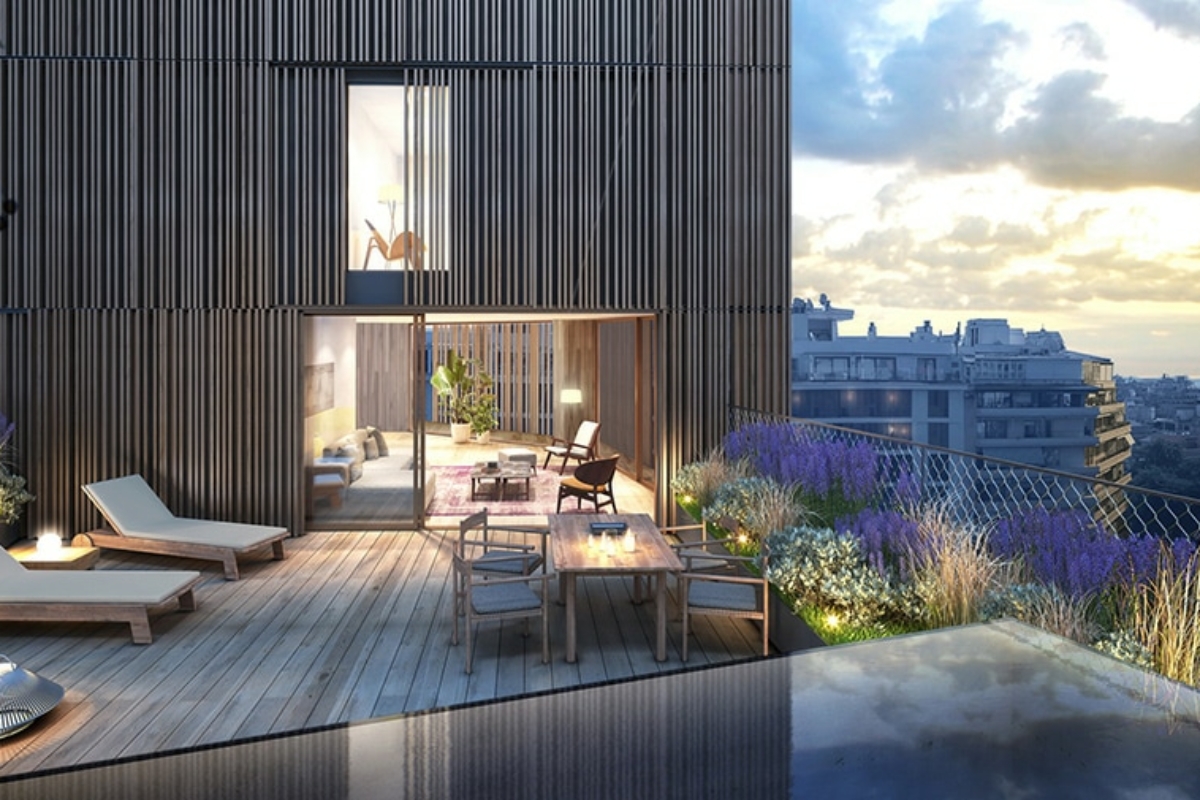
Unlike in Northern Europe, Mediterranean passive design focuses on shading and cross-ventilation. By aligning the building to capture the Embat (sea breeze) and using deep overhangs or wooden shutters (like the traditional Persianas Mallorquinas), energy demand for cooling can be reduced by up to 90%.
Which "Green Tech" is essential for 2026?
The most critical technologies now include hybrid inverters with AI management, which predict weather patterns to optimize battery storage, and aerothermal heat pumps, which provide heating, cooling, and hot water with an efficiency ratio (COP) of over 4.5.
Are there restrictions for installing solar panels on historic fincas?
While the Patrimonio (Heritage) protection laws are strict, particularly in the Sierra de Tramuntana, 2026 regulations allow for integrated solar tiles or "invisible" solar solutions that blend with the traditional terracotta roofs, making sustainability possible even for protected buildings.
How does smart home technology contribute to sustainability?
It goes beyond comfort. A smart home in 2026 automatically manages external blinds based on sun intensity and shuts down non-essential systems when the occupants are away, ensuring that not a single kilowatt of solar energy is wasted.